
Ding Yi
Student Information
| Name | Ding Yi |
|---|---|
| Department | Graduate School of Life Sciences, Mizukami Laboratory |
| Period of stay | September 2025 – February 2026 |
| Destination | University of Strasbourg, Faculty of Pharmacy |
Preparation
The most challenging part of my preparation was finding a host laboratory. Since my search began relatively late, many laboratories had already filled their available positions. Consequently, it took a considerable amount of time and effort to identify a laboratory that was able to host my internship. I am very grateful to Dr. Mayeul Collot for graciously accepting me as a visiting researcher in his laboratory.
Another challenge was arranging accommodation. As the University of Strasbourg does not provide a dormitory for visiting PhD students, I had to find accommodation on my own. The administrative staff of the host laboratory were very kind and suggested several potential housing options. However, due to my limited preparation time, these options were already fully occupied. I therefore searched for housing through several rental websites. Finding comfortable and reasonably priced accommodation was not easy, especially within such a short timeframe. Fortunately, I was eventually able to find a shared apartment, where I lived with a German exchange student who had also come to Strasbourg.
The visa application process was relatively smooth, and the host laboratory provided the necessary supporting documents. However, it is worth noting that applicants for a French student visa are required to complete an interview through the Etudes en France procedure before submitting their application to the embassy.
Life during the training
I had a very fulfilling and rewarding six months at the University of Strasbourg. The laboratory I visited differed in terms of research environment, working style, and available facilities from what I had previously been accustomed to, and it took me some time to fully adapt to these differences.
The laboratory is part of the UMR 7199 research team, which regularly organizes team meetings where members present their research progress. These meetings provided valuable opportunities for me to learn about the work of other members and broaden my scientific perspective. In addition, I attended several doctoral defenses as an audience member, which allowed me to gain a deeper understanding of the academic environment and research culture at the university. The university also frequently hosts seminars and lectures delivered by researchers from different countries and scientific disciplines, fostering a vibrant and international academic atmosphere.
Beyond research, living in France was also a special experience for me. Strasbourg is located near the Franco-German border, which gave me the opportunity to explore surrounding area on weekends. For example, I went to Baden-Baden and hiked in the Black Forest, which was a wonderful way to relax.
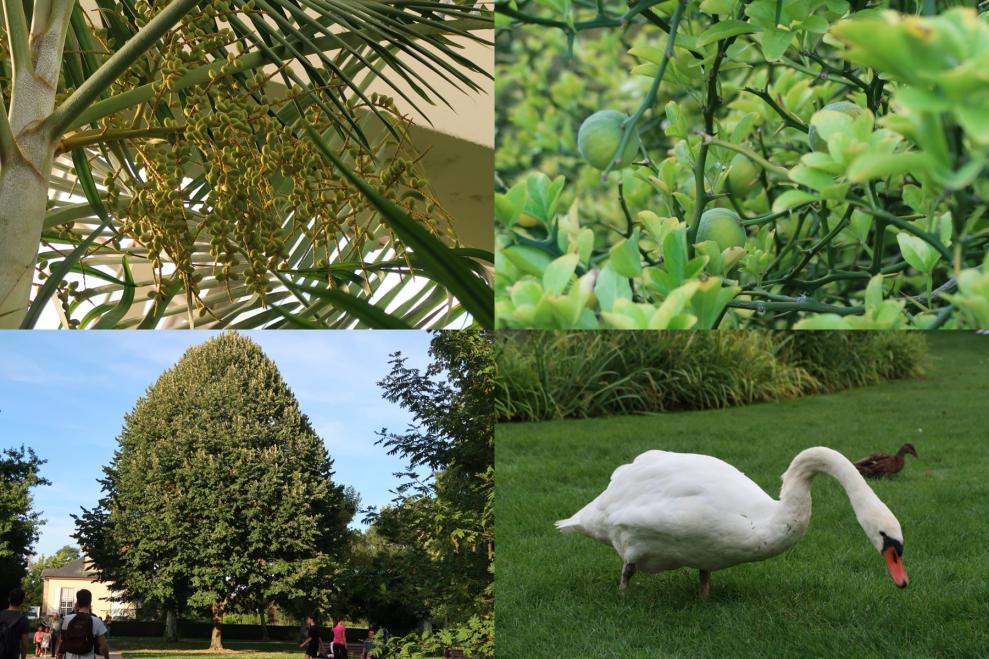 September 2025, Botanical Garden of the University of Strasbourg (upper) and Parc de l'Orangerie (lower), Strasbourg, France
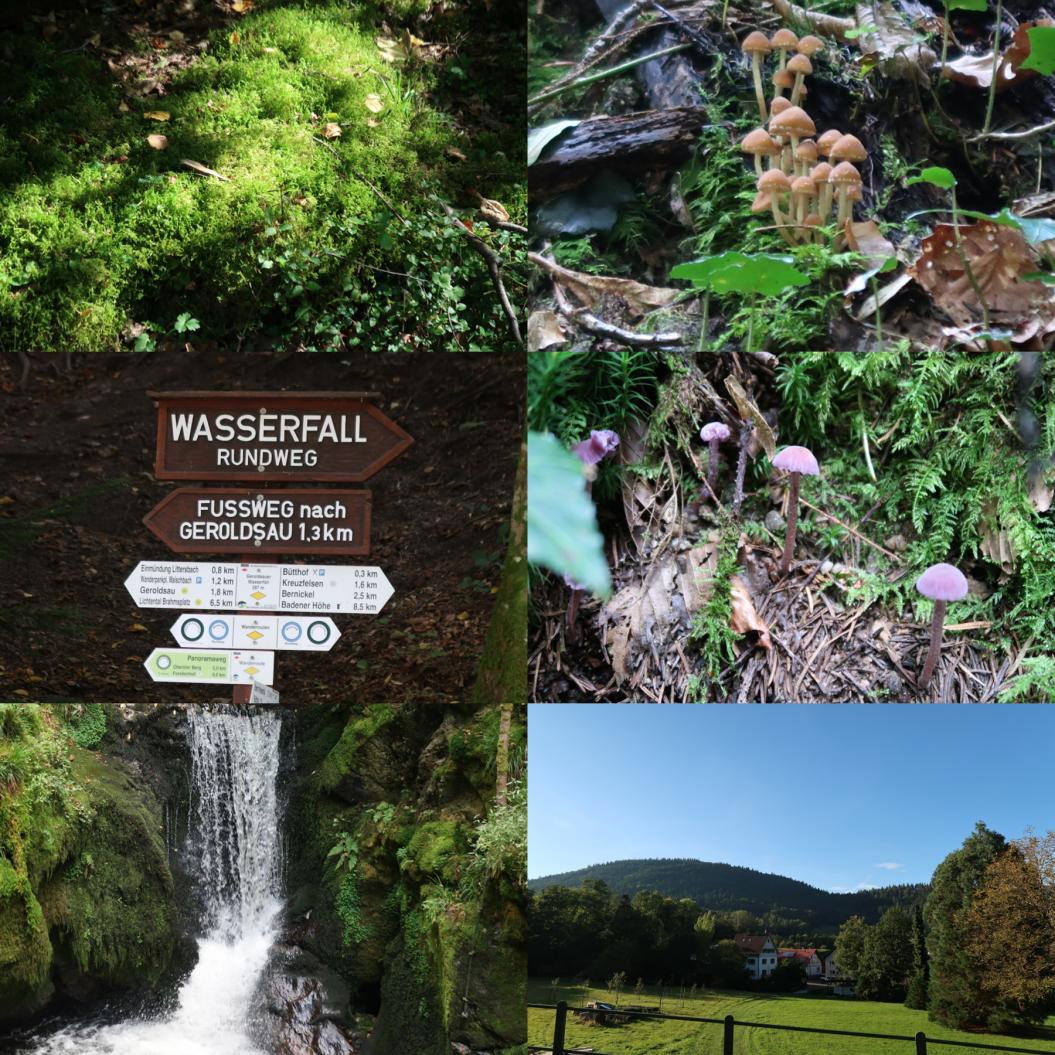 Hiking in the Black Forest, September 2025, Baden-Baden, Germany
Strasbourg is also famous for its Christmas market. Throughout December, the area around the Strasbourg Cathedral is beautifully decorated, creating a festive atmosphere, with a large Christmas tree standing at the entrance of the market.
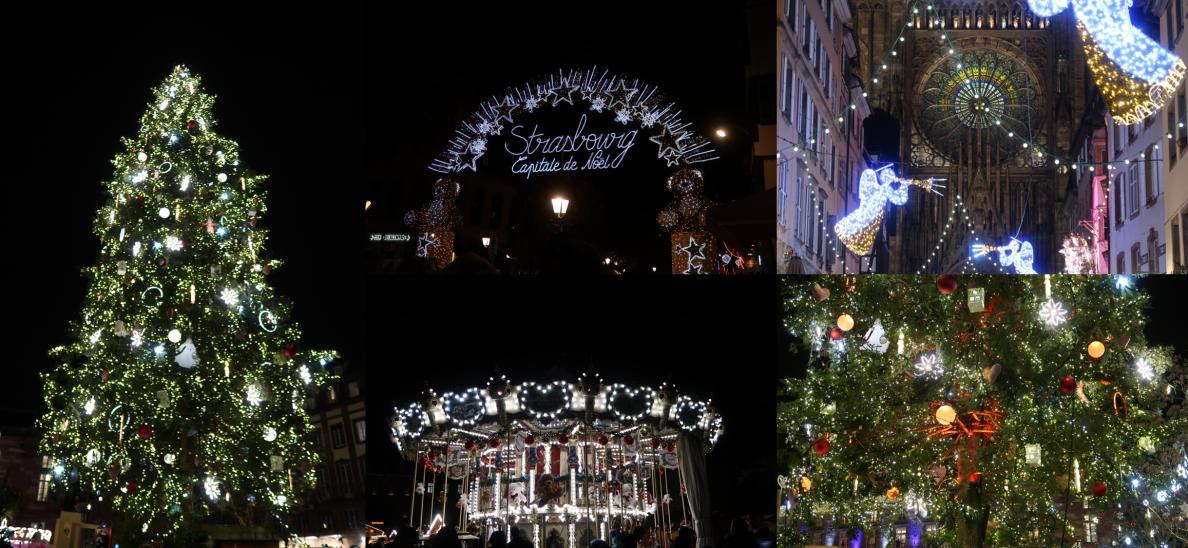 Christmas market, 2025, Strasbourg, France
During the Christmas holiday, I also traveled to Paris with members of the lab and visited iconic landmarks such as the Eiffel Tower and Notre-Dame Cathedral. It was a truly memorable experience.
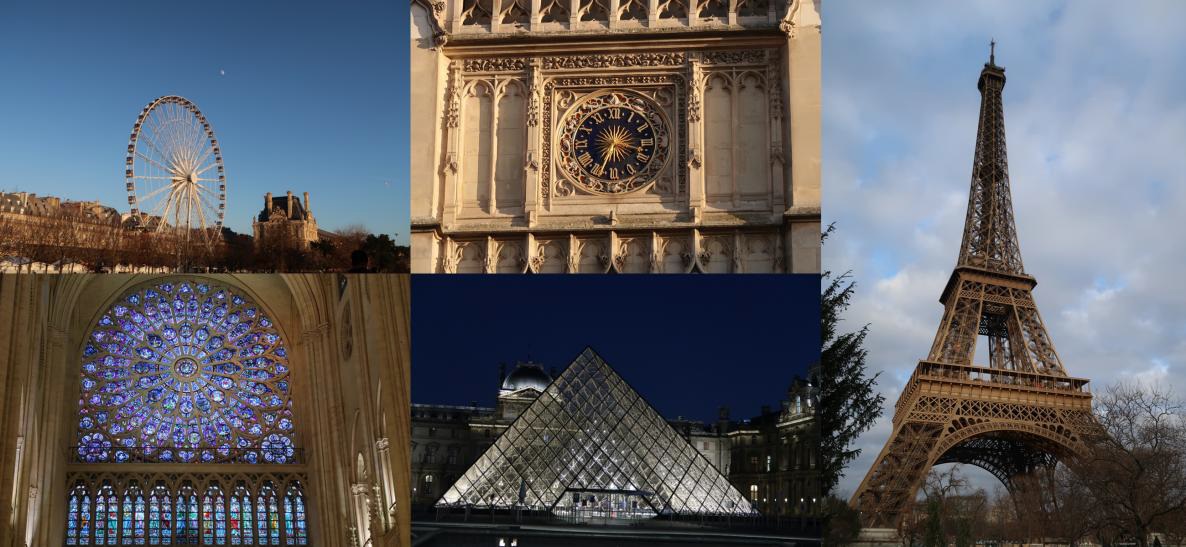 January 2026, Paris, France
Results
During this internship, I gained a deeper understanding of the directed photooxidation-induced conversion (DPIC) mechanism and applied it to the rational design of photoconvertible fluorescent probes. In particular, I successfully expanded this strategy to xanthene-based fluorophores and designed a novel photoactivatable rhodamine derivative. Beyond the specific research outcomes, this experience significantly broadened my scientific expertise, strengthened my research and communication skills, and influenced the way I think about my future research directions and career path.